
Anna's Alamanc: March
A threshold and a bubbling cauldron

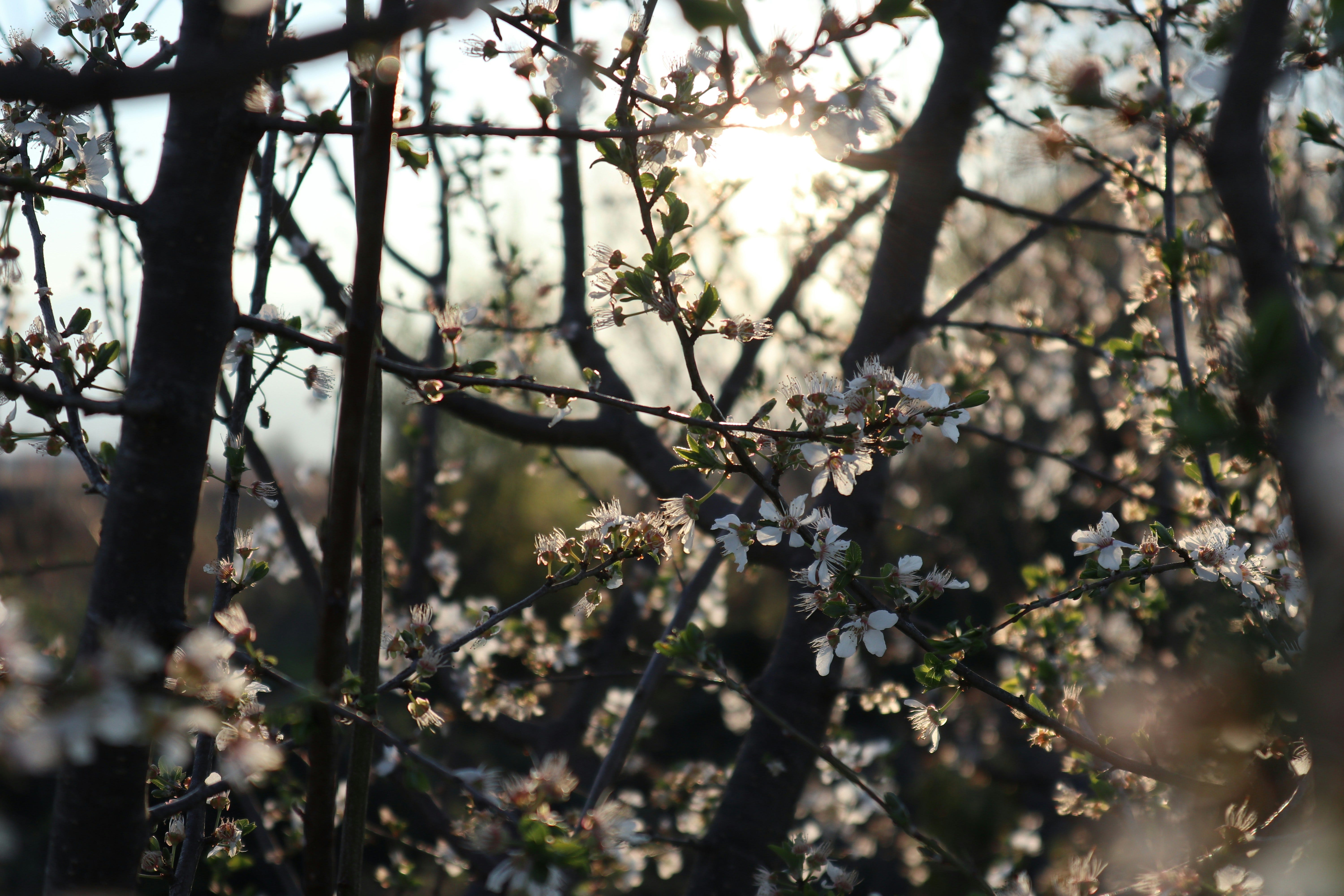
March is a restless month, full of movement and stirring. No wonder a Polish proverb calls it a bubbling cauldron. Nature is struggling to break free from the grip of winter. Snow is melting, ice is breaking, waters rise and rush. Winds are high, snow is common. There’s danger in March. There’s hardship of Lent. And there’s greyness of fields yet to turn green. In Poland, this time is considered a separate season – przedwiośnie – pre-spring.
But there’s also the certainty of triumph. March is a month of transition, of equinox.
As days grow longer and daffodils adorn the gardens, each a perfect little sun, we know that spring is around to corner. We just need to find endurance to wait until it’s time to step over the threshold.
Death to winter, death to evil
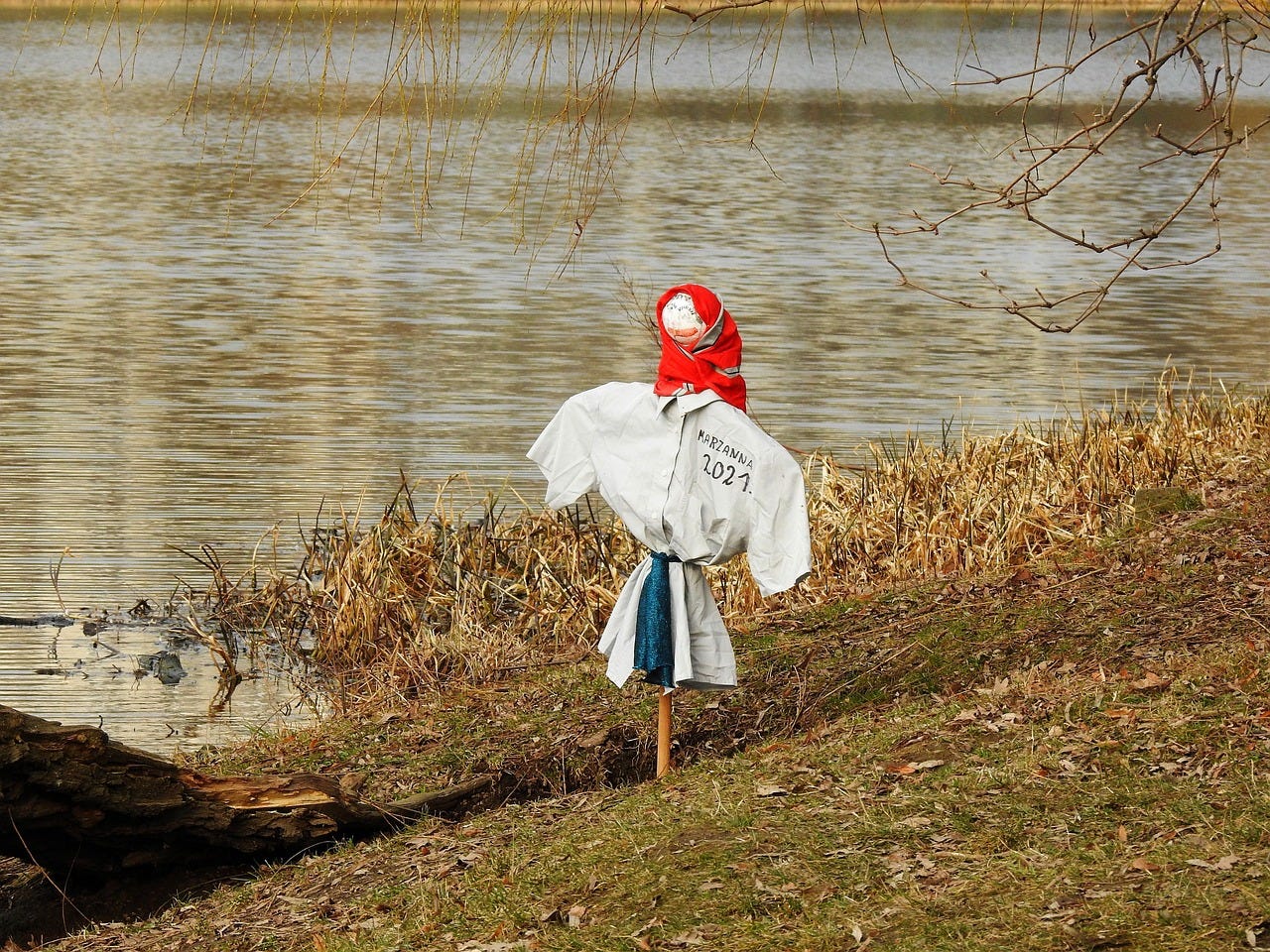
One way in which an ancient folk custom can survive is though becoming a children’s game. Schoolkids in Poland enjoy a jolly outing on the 21 March with Marzanna, a straw or wooden figure of a woman dressed in old clothes and decorated with ribbons. Marzanna, a symbol of winter, gets burned and drowned after being paraded through the streets of a town or a village. Gone is the winter, spring has come!
Marzanna is a remnant of an ancient Slavic goddess, Morana, associated with the transition from winter to spring and the themes of death and rebirth. Centuries ago, effigies of Morana were destroyed in acts of ritualistic violence. Those, in turn, had been most likely remnants of much earlier sacrificial rites that were supposed to bring good harvest.
As is usually the case with folk customs that have been carried through till nowadays, their roots go deeper than our records.
Christianity added its own flavour to early spring effigies, with the burning of Judas, an Easter custom widespread in many Roman Catholic countries. The evil destroyed here is personified by Judas Iscariot, the apostle who had betrayed Jesus and then hanged himself. Destroying a dummy that represents him is supposed to symbolise the triumph of good over evil.
There is something unsettling in the act of destroying effigies, even when they represent negative forces, like winter, illness or evil spirits. And yet, I loved throwing Marzanna into the river and getting a day off school…
Hares and daffodils
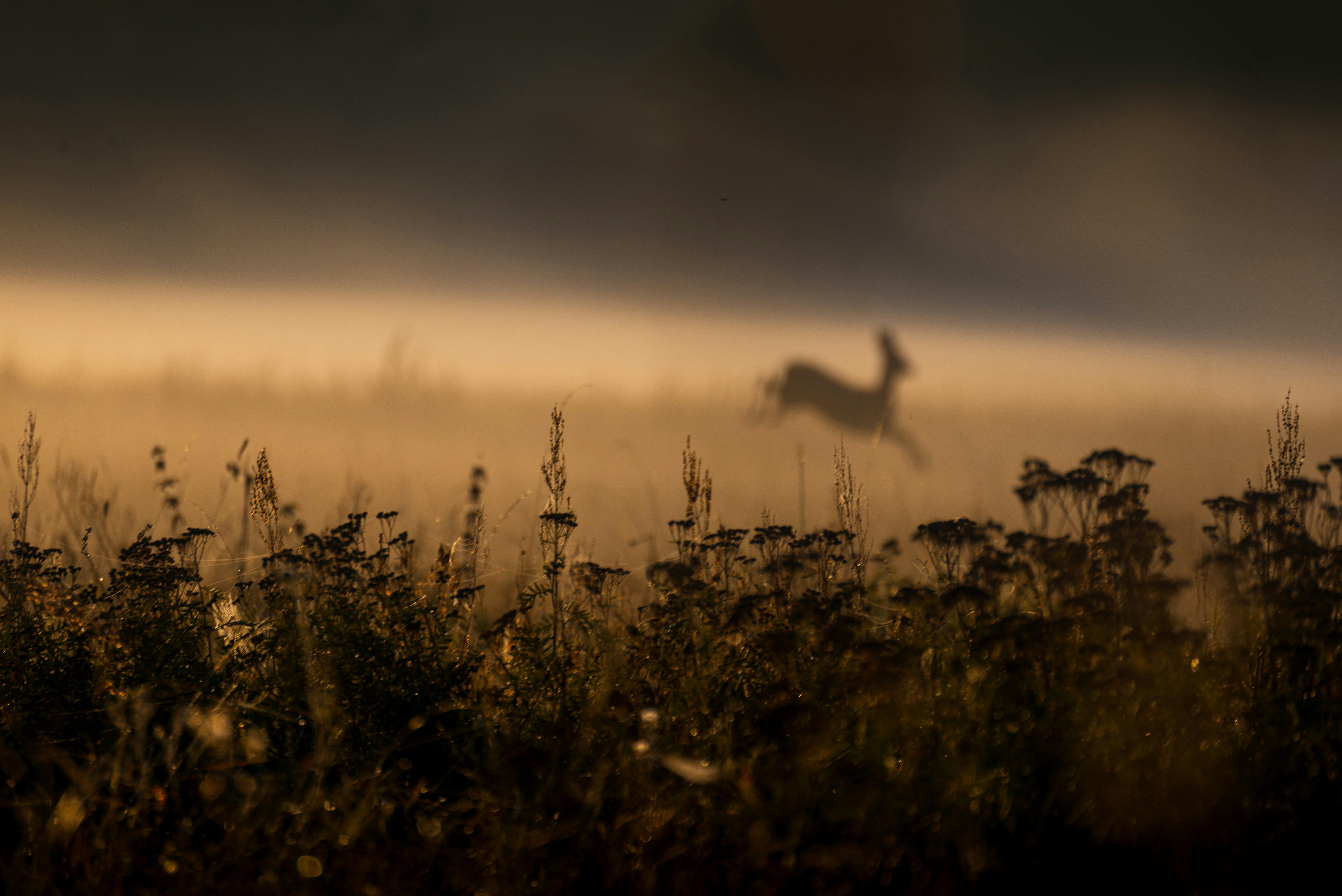
I grew up with an idea of a hare shaped by folk animal tales and replicated by Eastern European cartoons. Hares were considered tremulous, defenceless, with their speed the only weapon against predators, mostly wolves. A famous Soviet cartoon ‘Wolf and Hare’ threw an additional spin on the way the animal was portrayed. The hare in it was a resourceful pioneer who endlessly tricked the wolf, pictured as a somewhat degenerate sailor, and getting the better of him.
Traditional folk believes paint a different image of these beautiful, nocturnal animals, associating them with demons and witches. In British folklore, hares were believed to be shapeshifters, witches in animal form. They were also often imagined to be witches’ familiars. Quick and elusive, they moved between the worlds and were seen as omens. In Eastern Europe, there was a widespread belief that hares slept with their eyes open. In Polish villages, if a hare crossed the road of a pottery maker, he had to go back home and break a pot to avoid bad luck.
The ambiguity of old symbols is what makes them so fascinating, so alive that they continue to speak to us. Even our cheerful daffodil, an emblem of every March garden, has got a darker side. In ancient Greek mythology, it was a daffodil (a narcissus) that Zeus used to lure Persephone away from safety and towards her descent to the underworld. Yet the spring and the appearance of the flowers, marks her cyclical return to earth.
A daffodil is a flower that grows on a threshold. It marks a passage.
It should come as no surprise that parts of the plant are poisonous, with the bulbs being especially toxic. That might explain why they grow in such abundance. Squirrels, these devours of tulip bulbs, would not touch them.
March poem
‘Dear March—Come in—
How glad I am—
I hoped for you before—
Put down your Hat—
You must have walked—
How out of Breath you are—
Dear March, how are you, and the Rest—
Did you leave Nature well—
Oh March, Come right upstairs with me—
I have so much to tell—’
From: Dear March—Come in—(1320) by Emily Dickinson
March proverb
W marcu jak w garncu (March is like a bubbling cauldron).
Same dates to remember this March
1 March – St David’s Day
3 March – full moon
8 March – International Women’s Day
15 March – Mother’s Day UK
17 March – St Patrick’s Day
20 March - Spring Equinox
If you have a March story, reflection or reading recommendation to share, please leave a comment.
Thank you for reading.
Photos Unsplash and Pixabay